A few years back, my cousin messaged me at 11 PM asking if I knew any “genuine” way to make money online. He’d just lost about 15,000 rupees in something called a “task-based earning app” that promised daily payouts for liking videos and adding people to a WhatsApp group. Classic pyramid setup, just repackaged for 2021. He felt embarrassed asking, but honestly, I don’t blame him — the internet in Pakistan is absolutely flooded with these schemes, and they’re designed to look convincing.
That conversation is actually what pushed me to sit down and map out, for myself and later for him, what real ways of earning online actually look like here. Not screenshots of fake bank balances. Not “invest 5000, get 50000.” Actual methods that real people I know — including me — have used to bring in real money, sent by real clients, through real platforms.
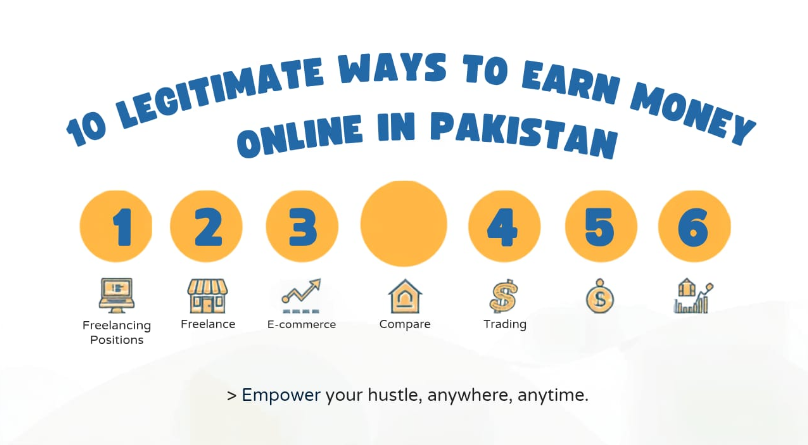
So here are ten of them, based on what’s genuinely worked, including the annoying parts nobody mentions.
1. Freelancing on Platforms Like Upwork and Fiverr
This is the most obvious one, but I’m including it because most people go about it wrong. I spent my first month on Fiverr with a gig that had zero orders because I copied someone else’s gig description almost word for word. Once I rewrote it in my own voice and added actual samples of my work, I started getting messages within two weeks.
The honest truth: this isn’t fast money. Your first few projects usually pay less than they’re worth because you’re building reviews. But once you have five or six solid reviews, pricing gets a lot easier to control.
2. Content Writing and Blogging for Clients
I know a girl from Lahore who writes blog content for US-based dental clinics. Not glamorous, but she’s been doing it for over two years and makes more than most entry-level office jobs here pay. She found her first client through a cold email, not through an app.
If you can write clearly in English and you’re willing to research a topic properly instead of just guessing, this is one of the more stable options. Content mills exist too, but they pay poorly — direct clients are where the real money is.
3. Running Your Own Blog or Niche Website
This one takes patience most people don’t have. I started a small niche blog about budget tech gadgets back in 2020, and it took almost eight months before it made even $20 from ads. Now it brings in a steady side income through Google AdSense and a couple of affiliate links.
The mistake I made early was picking too broad a topic. “Tech blog” is impossible to rank for. Once I narrowed down to budget smartphones specifically, growth actually started happening.
4. YouTube (Not Just Vlogging — Skill-Based Channels Work Better)
Forget the idea that you need a fancy camera setup. Some of the most consistent Pakistani YouTube earners I know run channels teaching Excel, English speaking, or basic coding, filmed on a phone with decent lighting.
My honest experience: growth on YouTube is painfully slow at first. I uploaded eleven videos before one actually got real views. But once the algorithm picks up a video that resonates, it can bring views for years afterward without extra work.
5. Selling Digital Products (Templates, Courses, Presets)
A friend of mine sells Canva templates for small business owners — Instagram post designs, resume templates, that kind of thing — through Etsy and Gumroad. She built her first ten templates over a weekend and made her first sale within two weeks of listing.
What surprised her (and me) was that pricing low didn’t actually help. When she raised her template pack prices, sales stayed roughly the same but revenue per sale obviously went up. People associate price with perceived value more than you’d expect.
6. Virtual Assistance for International Clients
This one’s underrated. A lot of small business owners abroad — coaches, consultants, Etsy sellers — need someone to manage emails, schedule posts, or handle customer messages. It’s not flashy work, but it pays consistently and doesn’t require a huge skillset to start.
I helped a friend set up her VA profile, and her first client paid $6/hour, which felt low until we realized it was steady, 15 hours a week, every single week — more reliable than a lot of “high-paying” one-off freelance gigs.
7. Online Tutoring
Since Pakistan has a strong base of students good at Math, English, and science subjects, platforms connecting tutors with international students (especially from the US and Middle East) have become a legitimate earning source. A former classmate of mine tutors O-level Math online for around $10-15 per session, multiple times a week.
The catch here is patience during onboarding — most platforms require a demo class or interview before you start getting matched with students. It’s not instant income, but it builds up steadily.
8. Affiliate Marketing (Done the Honest Way)
Affiliate marketing gets a bad reputation in Pakistan because of people spamming links everywhere without context. What actually works is writing genuine reviews or comparisons, then linking the product naturally.
I added a few Amazon affiliate links inside a buying guide article on my blog, not randomly, but exactly where a reader would naturally want that product. That single article still brings in small but consistent commissions, months after I wrote it.
9. Selling Products Through Daraz or Instagram Stores
This isn’t “online earning” in the passive sense people imagine, but it’s very real. A relative of mine runs a small skincare resale business entirely through Instagram DMs and Daraz listings. Her biggest lesson learned the hard way: underestimating packaging and delivery costs ate into her profit margins in the first two months until she recalculated her pricing properly.
If you have a product, even a small one, this route can genuinely work — just factor in all your costs before setting prices, not after.
10. Remote Jobs (Not Freelance — Actual Salaried Remote Positions)
More companies abroad are hiring Pakistani talent directly for remote roles — customer support, junior development, digital marketing assistants. These aren’t “gig” jobs, they’re proper salaried positions, often paid in USD through Payoneer or Deel.
A friend from university landed a remote customer support role for a US SaaS company after applying through LinkedIn consistently for about six weeks. It wasn’t instant, but once he got in, it became more stable than any freelance income he’d had before.
Mistakes People Commonly Make Chasing Online Income
Falling for “no skill needed, guaranteed income” ads. If something promises fixed daily earnings for basically doing nothing, that’s the biggest red flag there is.
Paying upfront “registration fees” for jobs. Legitimate platforms and clients don’t ask you to pay them to start working.
Quitting too early. Almost everything on this list took weeks or months before showing real results. The people who actually made it work were the ones who stuck around past the boring, unrewarding early phase.
Not researching the platform before committing time. A quick search of “[platform name] payment proof” or “[platform name] scam” before investing serious time saves a lot of regret.
Ignoring taxes and proper income tracking. Even side income adds up, and not tracking it properly tends to create headaches later, especially once you start earning consistently.
Final Thoughts
None of these methods are magic, and none of them will make you rich in a month. What they have in common is that they’re real — real clients, real platforms, real payments landing in real bank accounts, not screenshots from a Telegram group promising 300% returns.
My cousin, by the way, ended up going the virtual assistant route after that whole scam mess. Took him about two months to land his first client, but he’s still doing it two years later. That’s really the difference between the schemes and the legitimate options — the legitimate ones take longer to start, but they’re actually still there a year from now.
Pick one from this list, stick with it longer than feels comfortable, and treat it like an actual skill you’re building instead of a lottery ticket. That mindset shift alone changes the outcome more than people expect.