I made $4.12 from my first month of affiliate marketing. Four dollars and twelve cents, after spending nearly three weeks writing what I genuinely believed was a masterpiece of a blog post about budget wireless earbuds. I remember refreshing my Amazon Associates dashboard like it was going to suddenly reveal I’d missed a zero somewhere. It hadn’t.
That’s usually not the story people tell about affiliate marketing. Most of what you see online is screenshots of five-figure commission months and vague promises about “passive income while you sleep.” Nobody shows you the $4.12 month, or the eight months after that where it still wasn’t much better. So let me actually walk you through what this looks like when you’re starting from zero, including the boring, unglamorous parts that eventually turned into something real.
What Affiliate Marketing Actually Is (Skipping the Textbook Definition)
Here’s the simplest way I can put it: you recommend a product using a special tracking link, and if someone buys through that link, you get a small cut of the sale. That’s genuinely the whole mechanism. The complexity isn’t in understanding the concept — it’s in getting people to actually click your link and then actually buy something.
Companies like Amazon, and tons of software companies, have “affiliate programs” specifically built for this. You sign up, get approved (usually easy), and get a unique link for products you want to promote.
Why My First Attempt Basically Flopped
Looking back, my first blog post had almost none of the ingredients that actually matter. I picked a product category I didn’t personally care about (I don’t even use wireless earbuds much), I wrote generic, surface-level “reviews” clearly based on other articles I’d skimmed rather than real usage, and I published it on a brand-new blog with zero existing traffic or authority.
Nobody was searching for my specific article, and even the handful of people who stumbled onto it had zero reason to trust a random new blog’s opinion on earbuds. The math just didn’t work.
What Actually Changed Things For Me
About six months later, I wrote a comparison article about budget laptops for students — a topic I actually knew well because I’d spent weeks researching one for myself before buying. That single article, imperfect as it was, brought in more affiliate income in its first month than my entire earbuds post did in its first year.
The difference wasn’t luck. It was genuine, specific knowledge combined with a topic that had real buyer intent behind it — people searching “best budget laptop for students” are usually close to actually buying something, unlike more casual browsing searches.
Step 1: Pick a Niche You Can Speak About Honestly
This sounds obvious, but so many beginners (myself included, originally) pick a niche based on “what pays the most” instead of what they can genuinely speak about with some authority. Readers can tell the difference between someone who’s used a product and someone paraphrasing a spec sheet.
Ask yourself what you already know reasonably well, or what you’re willing to genuinely learn deeply enough to write about with real detail. Broad categories like “tech” or “fashion” are far too wide — narrowing down to something like “budget tech for students” or “affordable skincare for sensitive skin” gives you a fighting chance at actually standing out.
Step 2: Choose Where You’ll Publish
You don’t need a blog specifically, though that’s what worked for me. Some people do this through YouTube reviews, Instagram content, or even TikTok. What matters more than the platform is consistency and whether the format suits how you naturally communicate.
I chose blogging mainly because writing feels more natural to me than being on camera, and honestly, I underestimated how much SEO (people finding your content through Google searches, basically) would end up mattering for affiliate income specifically.
Step 3: Sign Up for Relevant Affiliate Programs
Amazon Associates is the most common starting point because it covers almost every product category imaginable, and approval is relatively simple. Beyond that, plenty of specific brands and software companies run their own affiliate programs, often with better commission rates than Amazon’s fairly modest percentages.
A tip that took me embarrassingly long to figure out: check if the specific product you’re recommending has its own direct affiliate program before defaulting to Amazon. I once found a software tool with a 30% recurring commission structure, wildly better than the 3-4% I was getting through Amazon on similar-value physical products.
Step 4: Create Genuinely Useful Content First, Links Second
My earbuds post failed partly because I was thinking about the affiliate link before I was thinking about actually helping the reader. Once I flipped that order — genuinely trying to answer someone’s real question first, and placing links only where they naturally fit — both my content quality and my click-through rates improved.
Comparison posts, “best of” roundups, and detailed single-product reviews tend to perform best because they match what someone close to a purchase decision is actually searching for.
Step 5: Be Transparent About Affiliate Links
I add a short, honest disclosure near the top of any post with affiliate links, something like mentioning that I may earn a small commission if someone buys through a link, at no extra cost to them. Not only does this build trust with readers, it’s also generally a requirement under most affiliate program terms and consumer protection guidelines.
Readers respond better to honesty here than you’d expect. Hiding it and getting caught damages trust far more than just being upfront from the start.
Step 6: Track What’s Actually Working
For the first several months, I didn’t track anything beyond a vague sense of “this article seems to be doing okay.” Once I started actually checking which specific articles and which specific links were generating clicks versus actual purchases, I realized a huge chunk of my traffic was going to content that converted almost nothing, while one or two specific pages did most of the heavy lifting.
That data completely changed where I focused my writing time going forward — doubling down on formats and topics that were already working instead of spreading effort evenly across everything.
A Real Example of How This Adds Up
That budget laptop comparison article I mentioned earlier still brings in a small but steady commission most months, over two years after I originally published it, mostly because I’ve gone back and updated it periodically with current prices and models rather than letting it go stale. It’s not life-changing money on its own, but stacked alongside four or five other decent-performing articles, it adds up to a genuinely useful secondary income stream.
Common Mistakes to Avoid
Promoting products you haven’t actually used or researched deeply. It shows in the writing, and readers pick up on generic, surface-level descriptions faster than you’d think.
Stuffing too many affiliate links into one piece of content. It starts feeling like a sales page instead of genuinely helpful content, and it usually hurts both reader trust and search rankings.
Expecting fast results. My real turning point took roughly six months of consistent, unglamorous effort before things started actually moving.
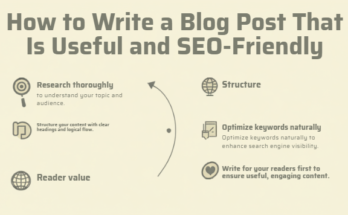
Ignoring SEO basics entirely. Even a well-written article needs some basic optimization — a clear title, headers, and answering the actual question someone’s searching for — or it simply won’t get found.
Not updating older content. Product prices, availability, and even entire product lineups change. An outdated affiliate article quietly stops converting, and a lot of beginners never go back to check.
Chasing every trending product instead of staying in a lane. I tried jumping into a few random trending product categories early on purely because I saw other bloggers doing well with them. Without genuine knowledge behind it, those posts consistently underperformed compared to my niche content.
Final Thoughts
Affiliate marketing isn’t some passive money faucet you switch on overnight, no matter how it gets marketed online. It’s closer to slowly building a small, trustworthy reputation around a specific topic, and letting genuinely useful content do the quiet work of earning commissions over time.
That $4.12 month still makes me laugh a little, mostly because it would’ve been so easy to quit right there and assume the whole thing just doesn’t work. It does work, just slower and less glamorously than the screenshots suggest. Pick a topic you actually know, write like you’re helping one specific person make a decision, and give it real time before deciding whether it’s for you.